Understanding the Basics
Many players are curious about how guitar vs baritone ukulele tuning compares, especially when switching between the two. Because these instruments share several pitches, the connection between them is closer than most people realize. This makes the transition smoother and opens the door to exploring both sounds with ease.
Baritone Ukulele Tuning
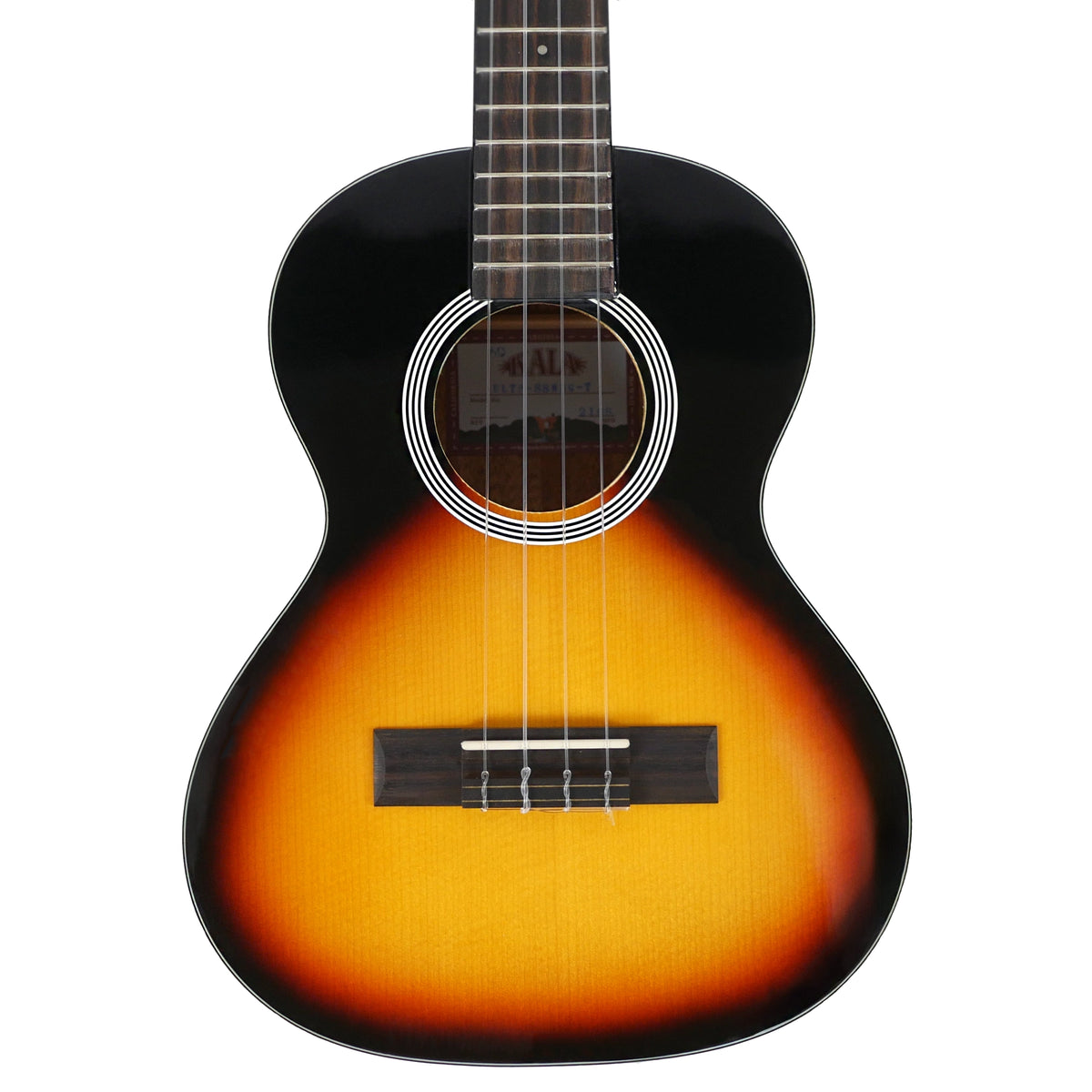
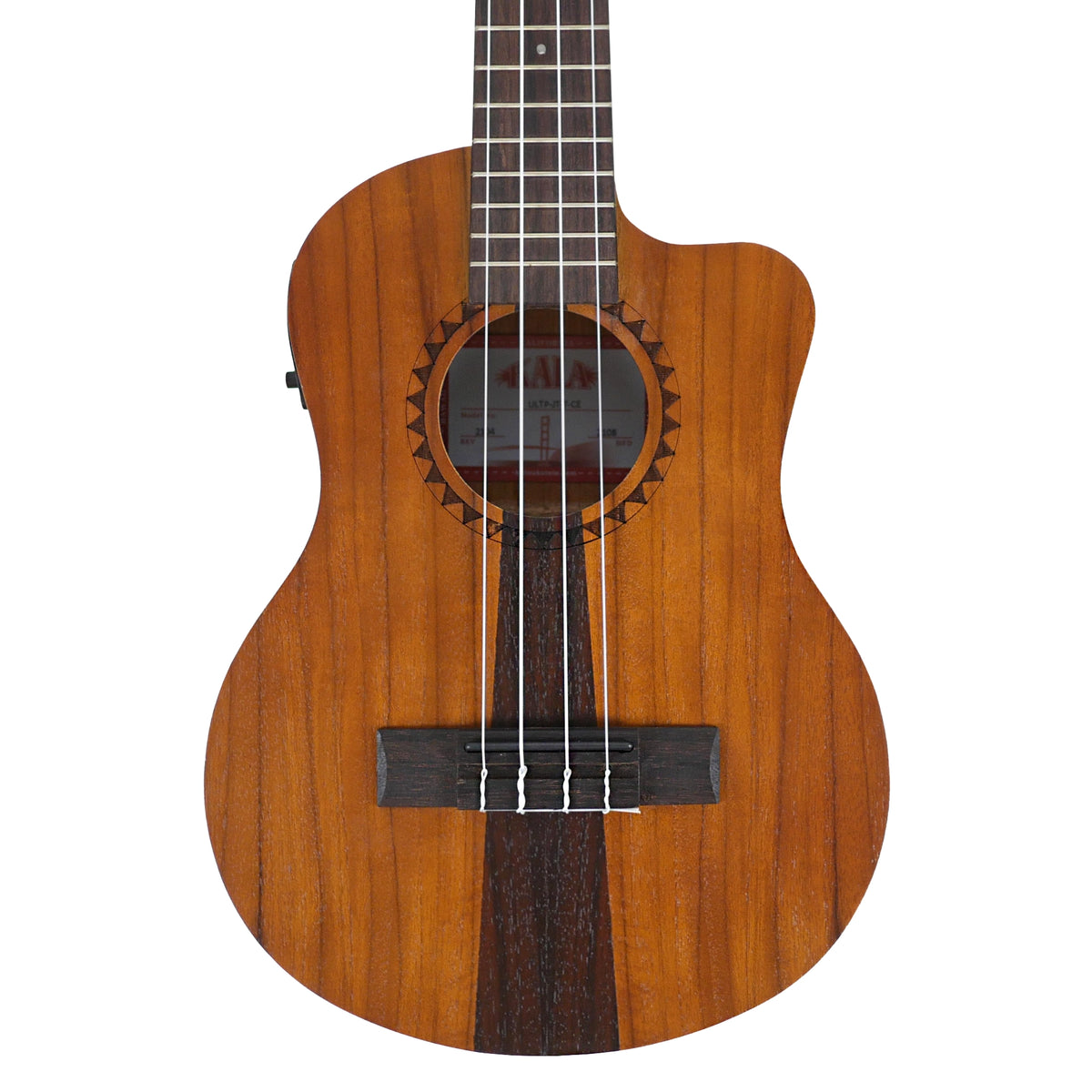
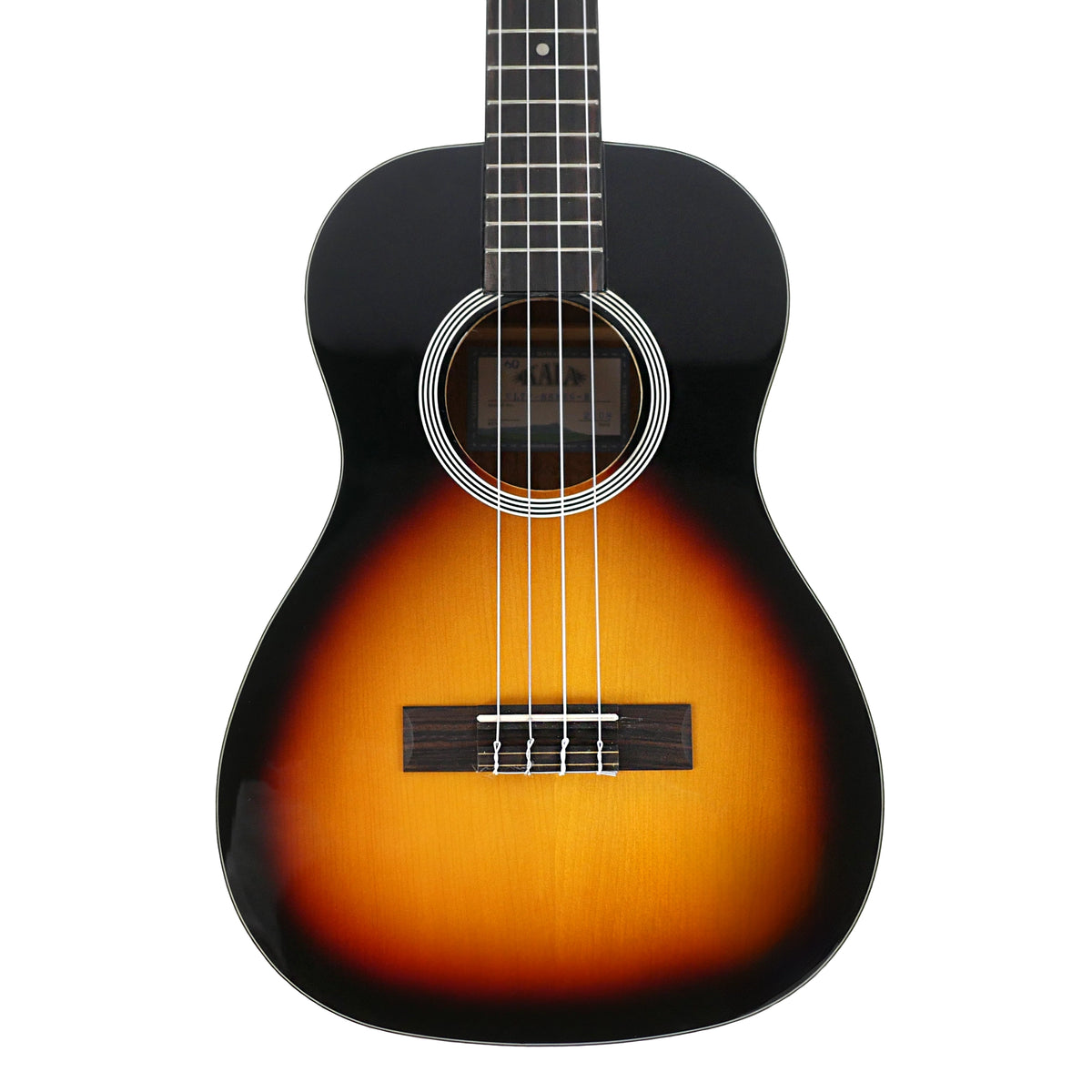
The baritone ukulele is the largest ukulele type, yet it only uses four strings. Its tuning is D, G, B, and E. Interestingly, these pitches match the top four strings of a standard guitar. Because of this, baritone players often feel comfortable moving into guitar territory. Even so, the baritone delivers a warmer and mellower sound due to its nylon-based string materials.

Guitar Tuning Basics
A steel-string acoustic guitar has six strings tuned to E, A, D, G, B, and E. The reason this matters is that strings one through four share the exact pitches of the baritone ukulele. Consequently, anything you play on these higher four guitar strings can be played on the baritone as well. However, the guitar’s two extra bass strings create a fuller tonal range.
Shared Tunings and Similarities
Since both instruments overlap on D, G, B, and E, chord shapes and melodic patterns translate easily. This similarity allows guitarists to adapt quickly, though they must adjust to missing bass notes on the baritone. Conversely, baritone players moving to guitar must learn how to incorporate those added strings and manage a larger body size.

Main Differences to Consider
Although the tuning overlap helps, several differences still affect the playing experience:
-
Number of strings
-
Tone depth and resonance
-
Steel strings vs nylon-style strings
-
Body size and feel
Sound Comparison Notes
The guitar offers a bigger and deeper resonance because of its steel strings and extended range. Meanwhile, the baritone ukulele produces a smoother feel with a lighter attack. Even so, both instruments allow similar strumming patterns and melodic lines once you understand the tuning relationship.

Transitioning Between Instruments
Switching from guitar to baritone ukulele is simple. Players merely adapt to having fewer strings and a slightly different tonal response. Going from baritone to guitar requires a bit more adjustment, yet it remains manageable. After learning new chord shapes and handling the larger frame, baritone players often transition successfully.
Conclusion
In the end, guitar vs baritone ukulele tuning differences are straightforward, and the shared top-string pitches make switching between both instruments surprisingly easy. Whether you begin with guitar or baritone, understanding how their tunings connect empowers you to explore new sounds and expand your musical versatility.
See Available Ukuleles and Guitars at Terry Carter Music Store
Master the Ukulele at Uke Like The Pros
Master the Guitar at Rock Like The Pros